November 22, 2026
Residential garage door installations are critical for ensuring not just the security of your home, but also its aesthetic appeal. A well-installed garage door provides a significant boost to home safety, acting as a robust barrier against unauthorized access. Additionally, a high-quality garage door can add to the visual harmony of your home's facade, enhancing its overall market value. In this comprehensive guide, we will walk you through the essential steps for installing a garage door, from selecting the appropriate door to ensuring it functions safely and efficiently.
1. Choosing the Right Garage Door
1.1 Material Considerations
When selecting a garage door, material choice is a significant consideration, as it impacts security, aesthetics, and lifespan; according to This Old House, the average lifespan of a garage door opener is 10 to 15 years, but this is dependent upon material choice. Steel doors are a popular choice due to their durability, low maintenance, and affordability. Wood doors, while offering a classical and warm appearance, require more regular maintenance to prevent wear. Aluminum doors are lightweight and resistant to rust, making them a suitable choice for coastal areas. Composite materials combine the best features of other materials, offering durability with minimal maintenance requirements.
1.2 Insulation Needs
Insulation is another important factor when choosing a garage door, especially if the garage is attached to the house. Well-insulated doors help to regulate temperature, providing energy efficiency and reducing heating and cooling costs. R-value is the key metric for insulation, with higher values indicating better insulation performance.
1.3 Design and Aesthetics
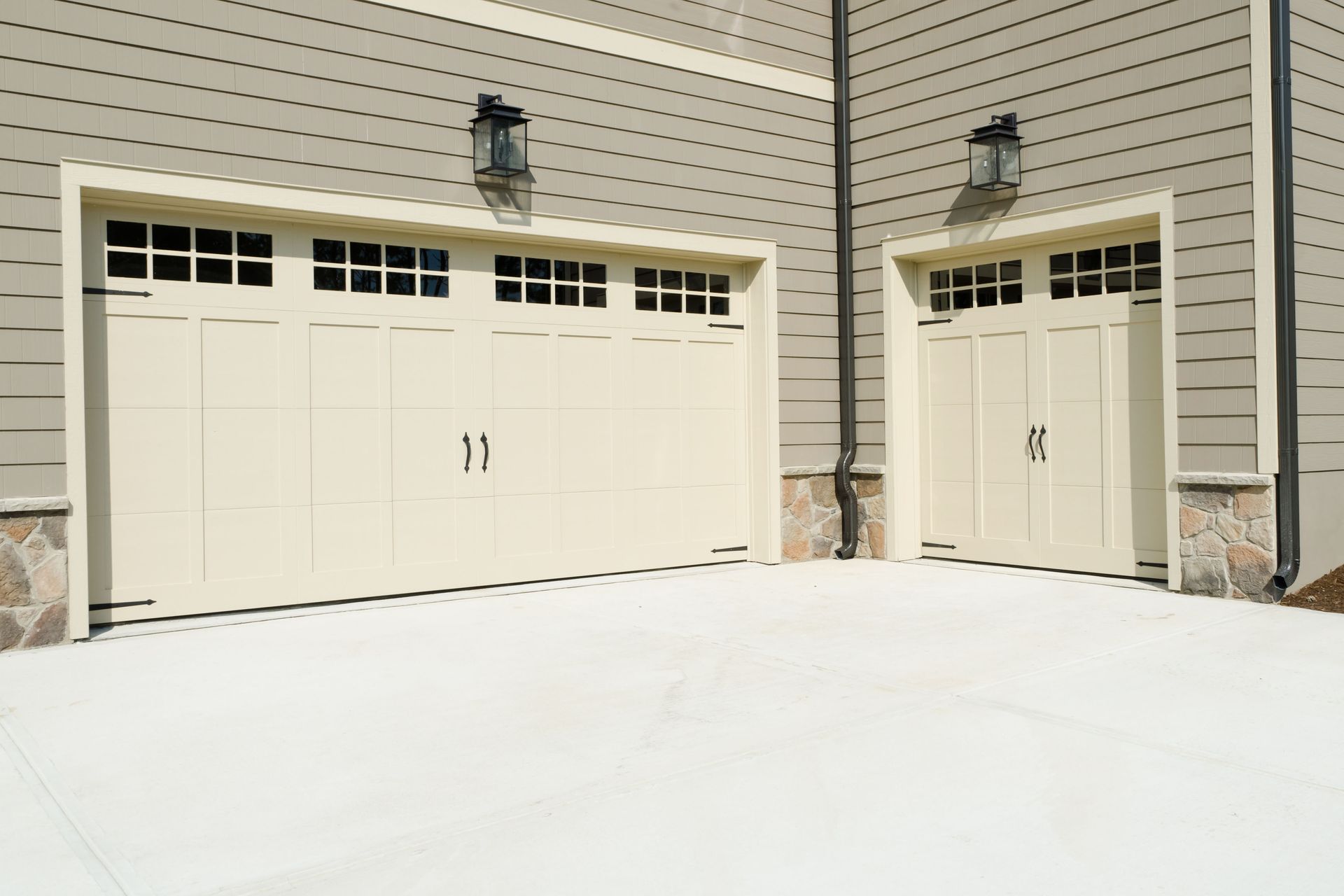
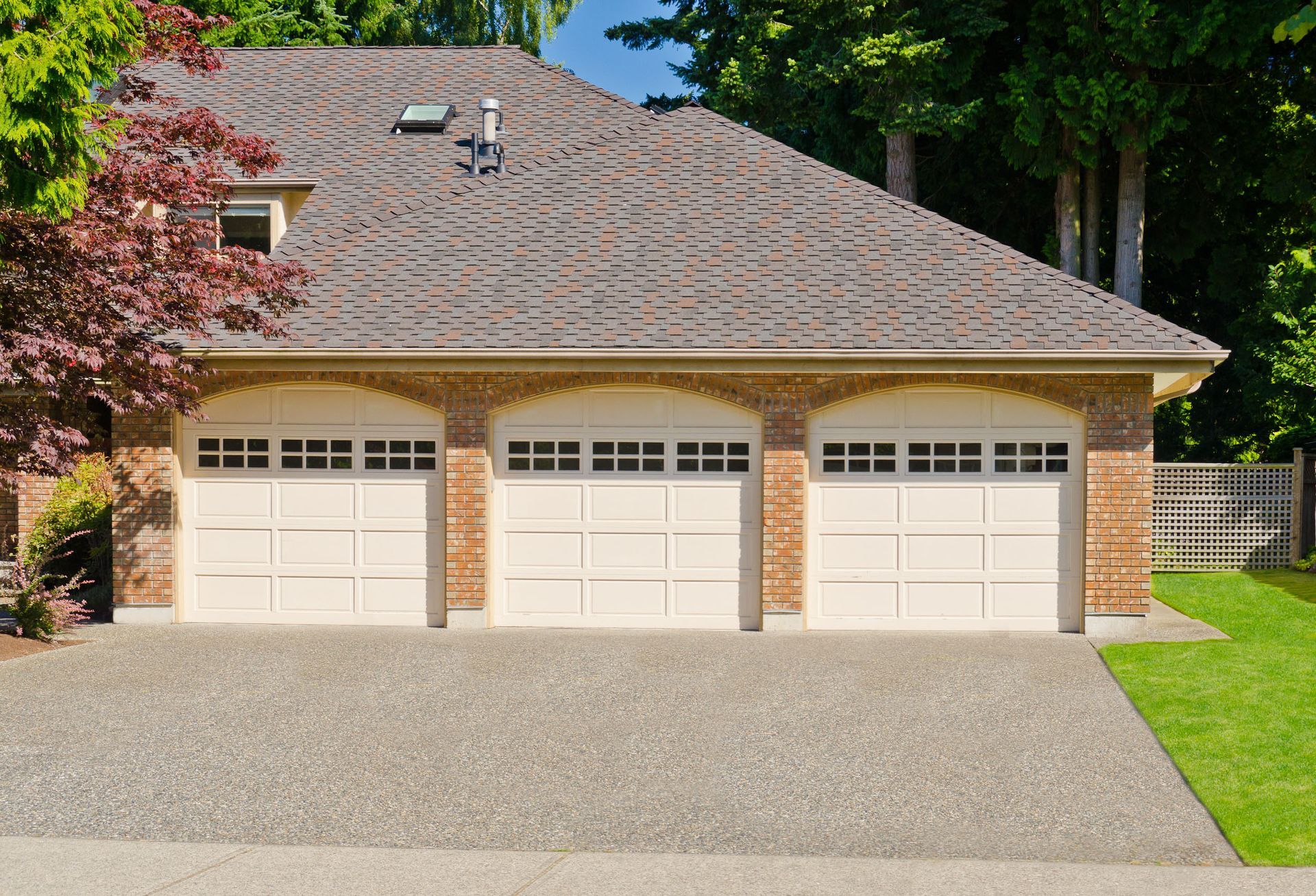
The design and aesthetics of a garage door should complement the architectural style of the home. Options range from traditional paneled designs to sleek, modern appearances. Color and finish choices should be made with the surrounding home's exterior in mind to enhance the property's curb appeal. Consider incorporating window panels for natural light and ventilation, which can be both functional and attractive. Customization options are plentiful, allowing homeowners to add character and personal style to their garage door.
1.4 Mechanism Types
The mechanism of garage doors can vary, affecting both the ease of use and the required space. Common types include sectional doors, roller doors, and tilt-up doors. Sectional doors open upwards and lie parallel to the garage ceiling, saving space. Roller doors, known for their compact design, roll up into a coil, making them ideal for garages with limited headroom. Tilt-up doors consist of a single panel that lifts up, requiring more space but offering a simple design.
2. Preparing for Installation
2.1 Measuring the Doorway
Accurate measurements of the garage doorway are crucial for selecting the right size garage door. Measure the width and height of the opening, as well as the area’s depth to accommodate the door's mechanism. It is also important to measure the clearance space on each side and the headroom above to ensure the new door fits properly. Double-checking these measurements can prevent order errors and installation difficulties. Securely fitting the correct door size enhances both the efficiency and durability of the installation.
2.2 Acquiring the Necessary Tools
Successful residential garage door installations require the proper tools, which should be assembled before starting the project. Basic tools include a level, socket set, drill, and tape measure. Specialized tools, such as winding bars for spring tension, may be necessary depending on the specific type of door being installed. Ensure all tools are in good working order to facilitate a safe and smooth installation process. Completing this step ensures you are well-prepared, reducing disruptions and enhancing safety.
2.3 Clearing and Preparing the Area
Preparing the installation area is crucial for ensuring an unobstructed and safe workspace. Remove any obstacles that might interfere with the installation process, such as vehicles or stored items. Cleaning the garage and surrounding area allows for easy movement and access to tools and materials. Additionally, a clean environment can prevent accidental damage to the garage door or related components during installation. Adequate preparation streamlines the process and reduces the risk of accidents.
3. Understanding the Installation Process
3.1 Securing the Hardware
Assembly begins with securing all necessary hardware, which forms the framework for the garage door. The hardware typically includes brackets, hinges, and screws tailored to the door type. Precise alignment during installation is critical to ensure optimal operation and prevent damage to the door. Using a level during the process can aid in achieving accurate hardware placement. This first stage of installation establishes the foundation for the subsequent steps, ensuring everything operates as intended.
3.2 Assembling the Door Panels
The next step involves the careful assembly of the garage door panels. Laying out panels in the correct sequence on a flat surface simplifies the alignment and assembly. Secure each panel with the corresponding hinges and brackets, ensuring they are tightened correctly. This sequence of steps helps build a stable and secure door structure. Completing each sub-assembly with precision ensures the door fits snugly within the frame and operates without hitches.
3.3 Installing the Tracks
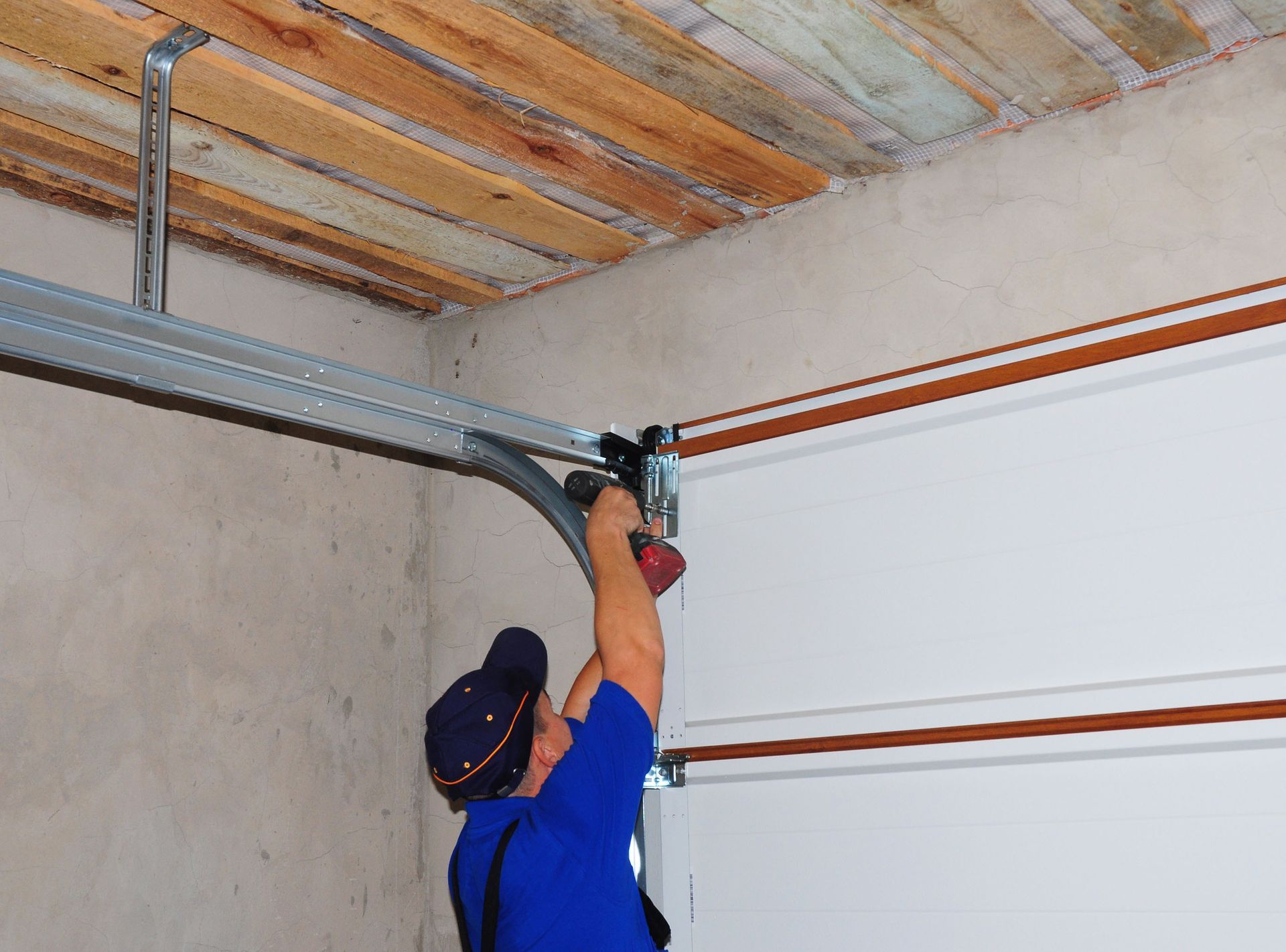
Once the door panels are assembled, the installation of the tracks must be executed with precision. Proper alignment is essential, as misaligned tracks can cause operational issues or safety hazards. Secure the vertical tracks to the door frame, ensuring they are plumb and stable before proceeding to the horizontal tracks. Ensuring a seamless track installation subsequently ensures a smooth operation path for the door panels. Carefully installed tracks serve as a crucial component for garage door functionality and safety.
3.4 Setting Up the Springs
The installation of springs is critical, as they balance the garage door's weight, facilitating lowering and raising. Ensure precise tension adjustments when setting up torsion springs to avoid potential door malfunction or components wearing prematurely. Because springs are under immense pressure, consider consulting a professional if unfamiliar with these mechanics. Accurate setup ensures long-term door functionality and minimizes risks of early spring failure. This step requires technical proficiency and adherence to safety instructions outlined by the manufacturer.
4. Setting up Electrical Systems
4.1 Installing the Garage Door Opener
The installation process of the garage door opener requires an understanding of its compatibility with the door type. Securely mount the opener along a stable section of the ceiling, ensuring that it aligns with the door's center track. Ensure proper wiring to the opener unit, following detailed manufacturer guidelines throughout the process. Installing an efficient opener enhances remote accessibility, adding convenience for users. A correctly installed system contributes to a longer lifespan and has the added benefit of complementing the overall door mechanism.
4.2 Wiring the Control Panel
Attaching the control panel enables command center access, essential for functionality and operational flexibility. Place the control panel at a comfortable and accessible height near the door’s entrance. Correct wire connections according to the setup schema detailed within the product manual are essential for optimal function. Installing a battery backup is advisable to prevent operational issues during power outages. This step ensures seamless and reliable operations for daily use, contributing significantly to user satisfaction.
4.3 Safety Sensor Alignment
Crucial to the garage door's safety aspect is ensuring the correct installation and alignment of the safety sensors. Properly locate each sensor a few inches above the ground on either side of the door, securing them firmly. Align the sensors facing each other to establish an uninterrupted connection and signal path. Regularly test the system to ensure auto-reverse and safety mechanisms function when detecting obstructions. Precision in this step maintains a secure environment, preventing accidents or injuries.
The completion of a garage door installation requires thorough planning and execution, covering various essential steps. From choosing the appropriate door to ensuring safety compliance and post-installation maintenance, each stage holds its importance. Equipping your home with a seamlessly functioning garage door yields both short-term satisfaction and long-term performance advantages. If you're looking for a professional company that specializes in
residential garage door installations, reach out to Overhead Door Options LLC today!